February 17, 2026
February 17, 2026
Why Entertainment Strategy Inside Nightclubs Is the Real Revenue Engine
In modern nightlife, DJs are no longer enough. The clubs dominating global markets understand one thing: structured entertainment design drives emotion, retention, and revenue. Here’s how elite venues engineer unforgettable nights and why entertainment strategy has become the true competitive advantage.
In modern nightlife, DJs are no longer enough. The clubs dominating global markets understand one thing: structured entertainment design drives emotion, retention, and revenue. Here’s how elite venues engineer unforgettable nights and why entertainment strategy has become the true competitive advantage.
Nightlife has evolved. What once relied on music alone now depends on immersive entertainment systems, live performers, show integrations, lighting choreography, crowd psychology, and structured energy shifts. The most successful clubs don’t “host parties.” They design experiences with intention. At ELVN, we view entertainment as a strategic architecture not decoration.
The Shift: From DJ Booking to Experience Design
For years, the formula was simple:
Book a big-name DJ → Sell tables → Repeat.
But audiences changed.
Today’s guests have shorter attention spans, higher expectations, and unlimited alternatives. If the night feels flat, they leave. If it feels extraordinary, they film it, post it, and return.
Modern entertainment inside nightclubs must be designed like a live production, not improvised.
1. Entertainment as Emotional Engineering
Elite clubs structure their night in phases:
• Warm-up atmosphere
• First emotional peak
• Interactive moment
• Main drop
• Unexpected surprise
• Grand finale
This rhythm keeps dopamine high and attention engaged.
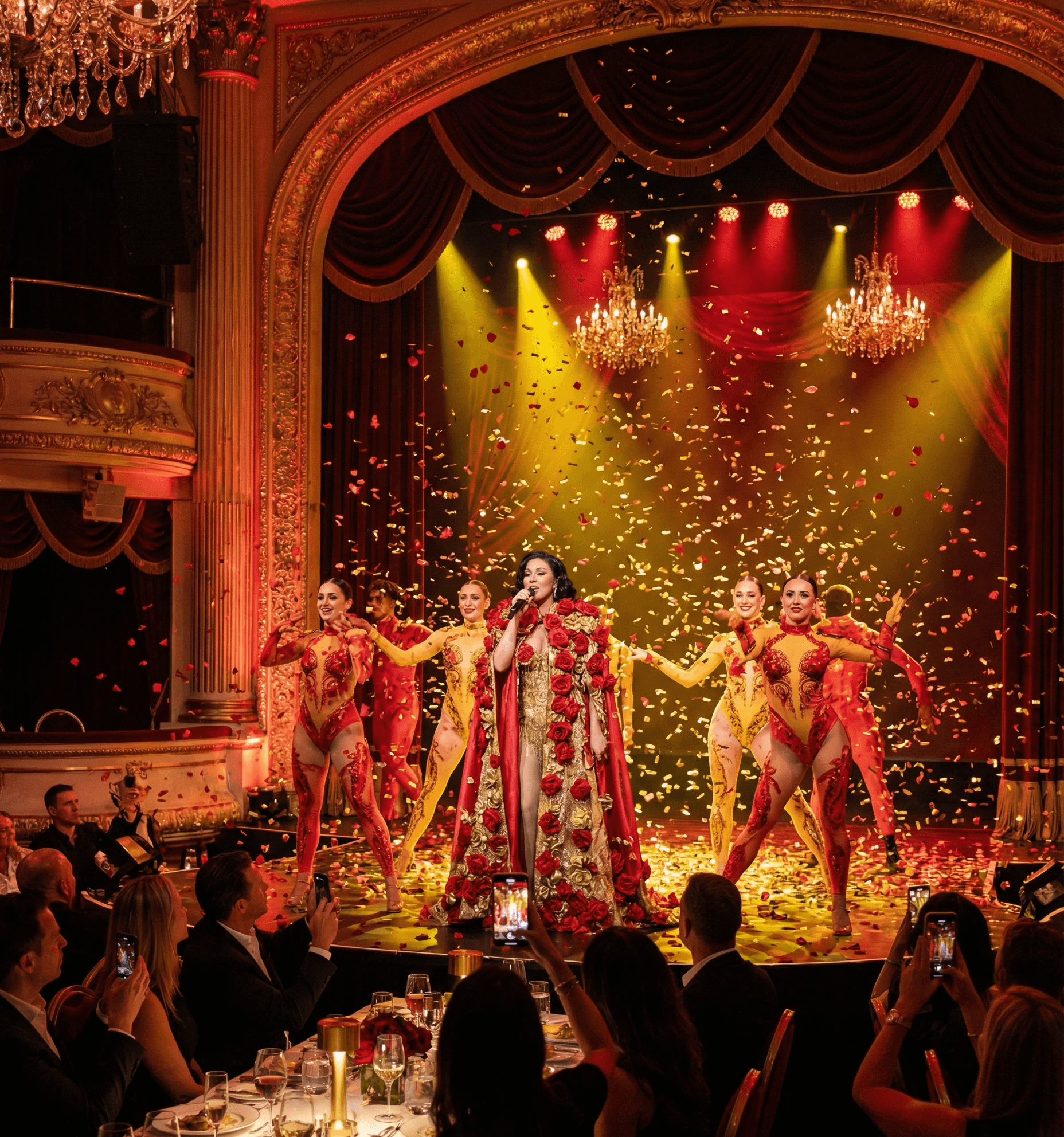
When dancers, performers, CO2 effects, confetti blasts, LED smoke jets, and lighting cues are synchronized with music transitions the result is not chaos. It’s controlled euphoria.
Entertainment becomes psychological architecture.
2. Performers Must Be Integrated, Not Inserted
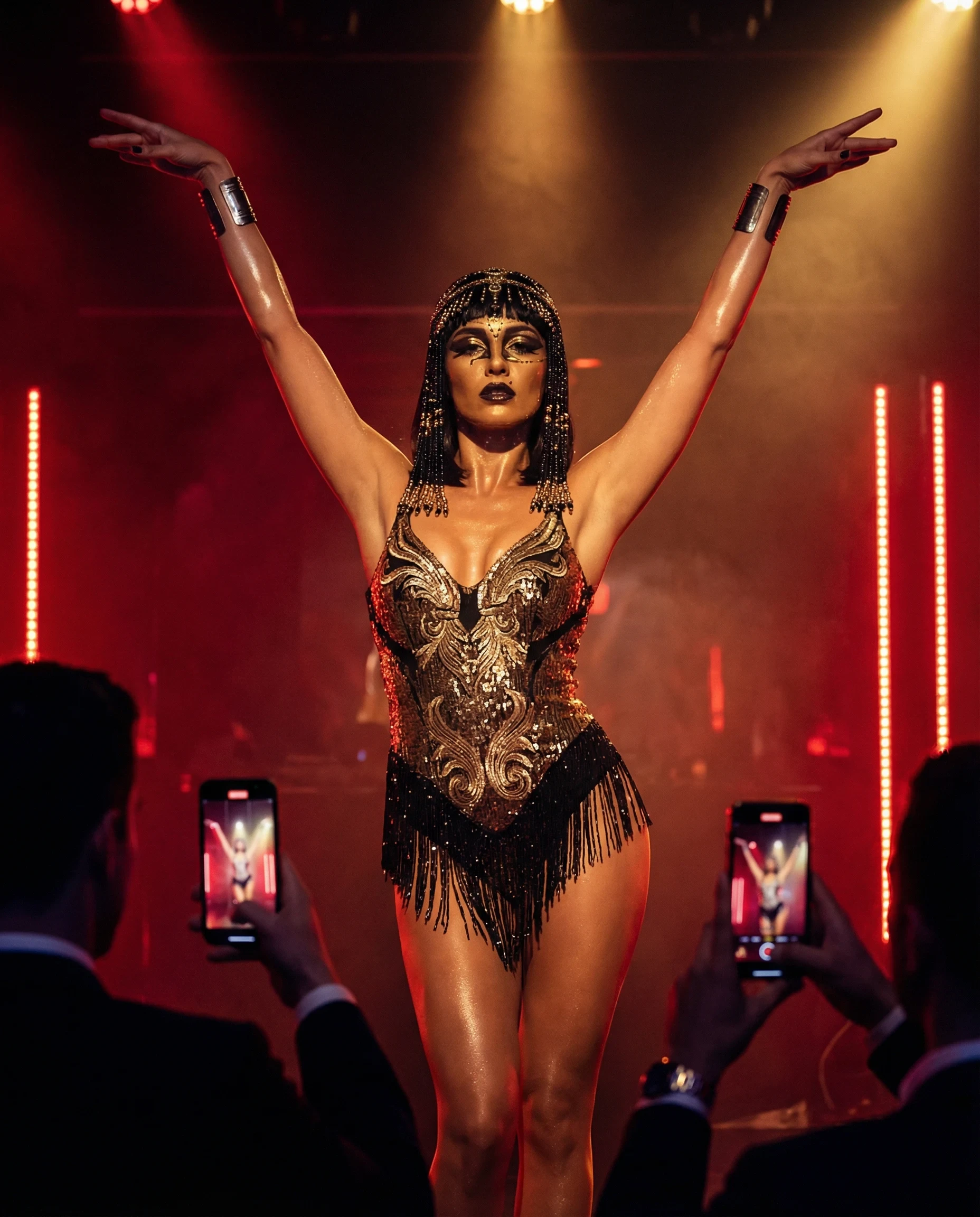
One of the biggest mistakes venues make is treating performers as “side acts.”
Real entertainment strategy integrates performers into:
• Music transitions
• Bottle parades
• Brand activations
• DJ drops
• Stage storytelling
The show should never feel like a pause.
It should feel like the night evolving.
This seamless integration separates premium clubs from average venues.
3. Stage Design and Guest Positioning Matter
Entertainment is not only about performers, it’s about spatial dynamics.
• Where is the DJ positioned?
• Can guests see each other?
• Does the stage feel elevated or immersive?
• Is the bar central or hidden?
The best venues design movement flow so that energy circulates through the room instead of dying in corners.
Entertainment is architectural.
4. Social Media Amplification
The most powerful entertainment moments are:
• Visually dramatic
• Unexpected
• Highly filmable
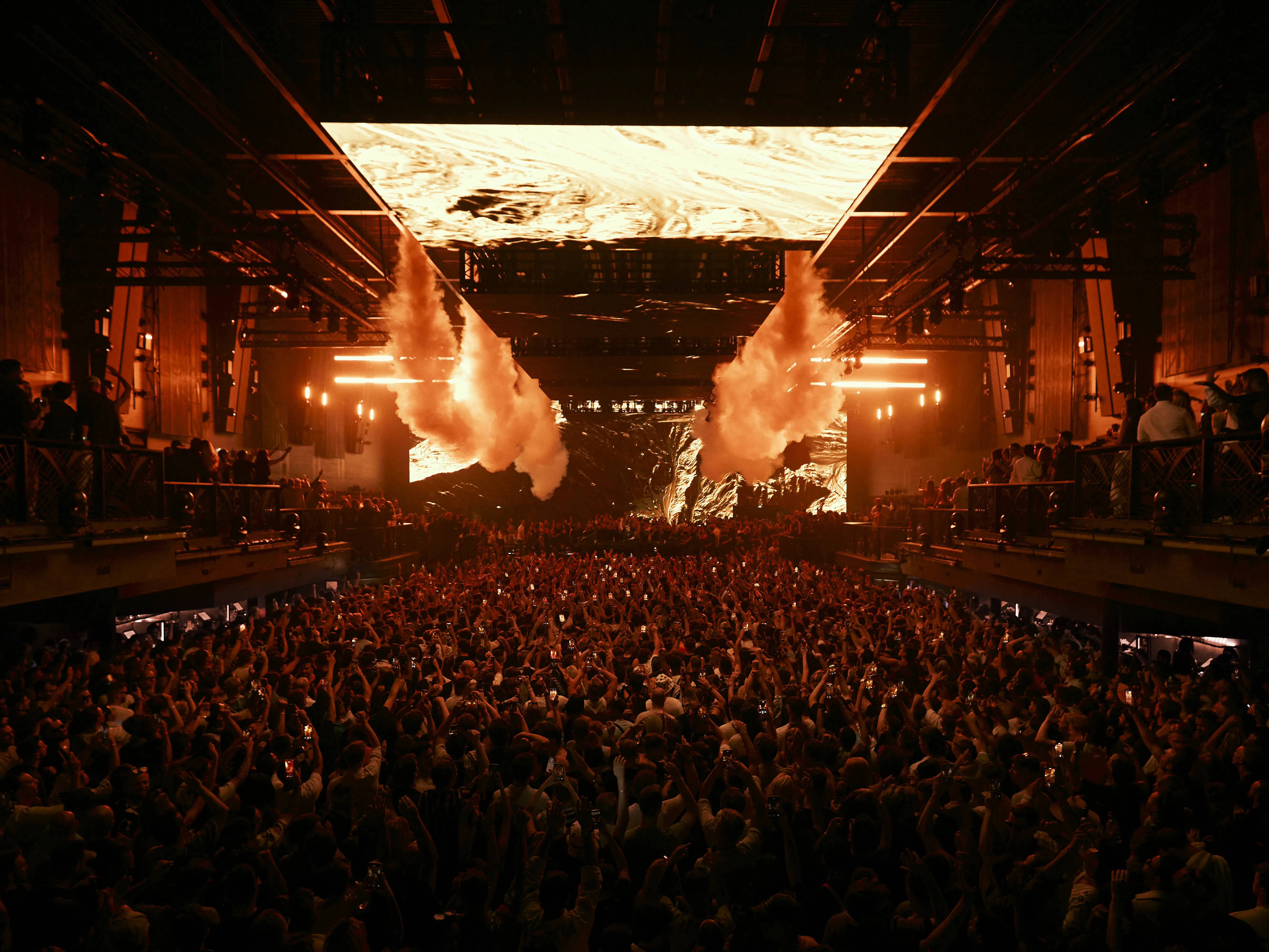
When guests instinctively raise their phones, your marketing budget decreases.
A well-timed confetti explosion or performer choreography can generate thousands of organic impressions in minutes.
In 2026, entertainment is content.
5. Revenue Impact: Why This Matters
Strategic entertainment directly influences:
• Table upgrades
• Bottle spend
• Repeat visits
• VIP demand
• Brand collaborations
When guests feel they are part of something exclusive and cinematic, they spend more — not because they’re pressured, but because they’re emotionally invested.
The ELVN Perspective
At ELVN, we don’t view entertainment as decoration.
We design:
• Experience flow
• Performer integration
• Show timing systems
• Energy architecture
• Revenue alignment
Because the future of nightlife belongs to venues that understand one truth:
Music starts the night.
Entertainment makes it unforgettable.
Nightlife has evolved. What once relied on music alone now depends on immersive entertainment systems, live performers, show integrations, lighting choreography, crowd psychology, and structured energy shifts. The most successful clubs don’t “host parties.” They design experiences with intention. At ELVN, we view entertainment as a strategic architecture not decoration.
The Shift: From DJ Booking to Experience Design
For years, the formula was simple:
Book a big-name DJ → Sell tables → Repeat.
But audiences changed.
Today’s guests have shorter attention spans, higher expectations, and unlimited alternatives. If the night feels flat, they leave. If it feels extraordinary, they film it, post it, and return.
Modern entertainment inside nightclubs must be designed like a live production, not improvised.
1. Entertainment as Emotional Engineering
Elite clubs structure their night in phases:
• Warm-up atmosphere
• First emotional peak
• Interactive moment
• Main drop
• Unexpected surprise
• Grand finale
This rhythm keeps dopamine high and attention engaged.
When dancers, performers, CO2 effects, confetti blasts, LED smoke jets, and lighting cues are synchronized with music transitions the result is not chaos. It’s controlled euphoria.
Entertainment becomes psychological architecture.
2. Performers Must Be Integrated, Not Inserted
One of the biggest mistakes venues make is treating performers as “side acts.”
Real entertainment strategy integrates performers into:
• Music transitions
• Bottle parades
• Brand activations
• DJ drops
• Stage storytelling
The show should never feel like a pause.
It should feel like the night evolving.
This seamless integration separates premium clubs from average venues.
3. Stage Design and Guest Positioning Matter
Entertainment is not only about performers, it’s about spatial dynamics.
• Where is the DJ positioned?
• Can guests see each other?
• Does the stage feel elevated or immersive?
• Is the bar central or hidden?
The best venues design movement flow so that energy circulates through the room instead of dying in corners.
Entertainment is architectural.
4. Social Media Amplification
The most powerful entertainment moments are:
• Visually dramatic
• Unexpected
• Highly filmable
When guests instinctively raise their phones, your marketing budget decreases.
A well-timed confetti explosion or performer choreography can generate thousands of organic impressions in minutes.
In 2026, entertainment is content.
5. Revenue Impact: Why This Matters
Strategic entertainment directly influences:
• Table upgrades
• Bottle spend
• Repeat visits
• VIP demand
• Brand collaborations
When guests feel they are part of something exclusive and cinematic, they spend more — not because they’re pressured, but because they’re emotionally invested.
The ELVN Perspective
At ELVN, we don’t view entertainment as decoration.
We design:
• Experience flow
• Performer integration
• Show timing systems
• Energy architecture
• Revenue alignment
Because the future of nightlife belongs to venues that understand one truth:
Music starts the night.
Entertainment makes it unforgettable.