February 14, 2026
February 14, 2026
From Fine Dining to After-Dark Energy: How High-End Restaurants Transform Into Profitable Mini Clubs
The most profitable luxury restaurants no longer operate as single-concept venues. By evolving into high-energy nightlife spaces after dinner hours, they extend guest lifetime value, increase spend per table, and dominate both dining and entertainment markets. Here’s how the transition is strategically designed.
The most profitable luxury restaurants no longer operate as single-concept venues. By evolving into high-energy nightlife spaces after dinner hours, they extend guest lifetime value, increase spend per table, and dominate both dining and entertainment markets. Here’s how the transition is strategically designed.
In major hospitality cities like Dubai, Ibiza, Mykonos, and Tulum, a powerful hybrid model is redefining premium venues: the high-end dinner restaurant that seamlessly transforms into a late-night mini club. This isn’t about turning up the music randomly. It’s about structured energy evolution, spatial reconfiguration, lighting psychology, and revenue optimization. At ELVN, we see this model as one of the most intelligent concept strategies in modern hospitality.
Why the Hybrid Model Works
Luxury dining has natural limitations:
• Peak revenue window: 8 PM – 11 PM
• Table turnover caps
• Guests leave after dessert
But when a venue transitions into a high-energy environment after 11:30 PM, the business unlocks:
• Extended operating hours
• Increased bottle sales
• Higher-margin alcohol revenue
• Repeat visits from nightlife-driven guests
Instead of competing with clubs, the restaurant becomes one.
The Key: Gradual Energy Escalation
The transition must feel intentional not abrupt.
The most successful high-end venues use a 3-phase shift:
Phase 1 – Elevated Dining Atmosphere
Ambient music, elegant lighting, controlled service pacing.
Phase 2 – Tempo Lift
Music BPM increases slightly. Lighting warms. Staff energy rises. Performers may subtly enter the space.
Phase 3 – Full Transformation
Lights dim strategically. DJ takes center presence. Tables become social hubs. Bottle service choreography activates.
The guest should feel the shift before consciously noticing it.
That emotional anticipation is powerful.
Design & Layout: The Hidden Driver
Not every restaurant can execute this model.
The physical space must allow:
• Flexible seating configurations
• Open central zones
• DJ booth visibility
• Lighting control systems
• Integrated sound design
Venues that fail usually underestimate acoustic planning.
Premium dining sound and nightclub sound are two different worlds.
If engineered properly, the transformation feels cinematic.
If not, it feels chaotic.
Entertainment Integration
This model succeeds when entertainment is woven into the dining experience early.
Examples:
• Live percussionists appearing between courses
• Subtle dancer entrances near the bar
• Branded bottle rituals
• Interactive staff choreography
The goal is to blur the line between dinner and party.
Guests shouldn’t feel like they’re “waiting for the club.”
They should feel like the club was always coming.
Revenue Multiplication Strategy
The financial impact is significant:
Higher spend per table
Bottle upgrades after midnight
VIP demand increases
Stronger brand identity
Social media exposure doubles
A table that spends $800 on dinner may spend an additional $2,000–$5,000 once the energy shifts.
The same square meters generate two business models in one night.
Branding & Positioning
The most successful dinner-to-club venues don’t market themselves as “restaurants with music.”
They position as:
• Lifestyle destinations
• After-dark dining experiences
• Immersive social venues
Language matters.
Perception drives demand.
Common Mistakes
• Turning music up too early
• Poor lighting control
• Lack of show structure
• No VIP flow design
• Staff not trained for nightlife energy
A hybrid venue requires hybrid operations.
Without strategic planning, it damages both dining credibility and nightlife potential.
The ELVN Perspective
At ELVN, we approach high-end dinner transformations as:
• Concept engineering
• Revenue architecture
• Energy choreography
• Spatial optimization
• Brand elevation strategy
Because the future of hospitality is not choosing between restaurant or club.
It’s mastering both.
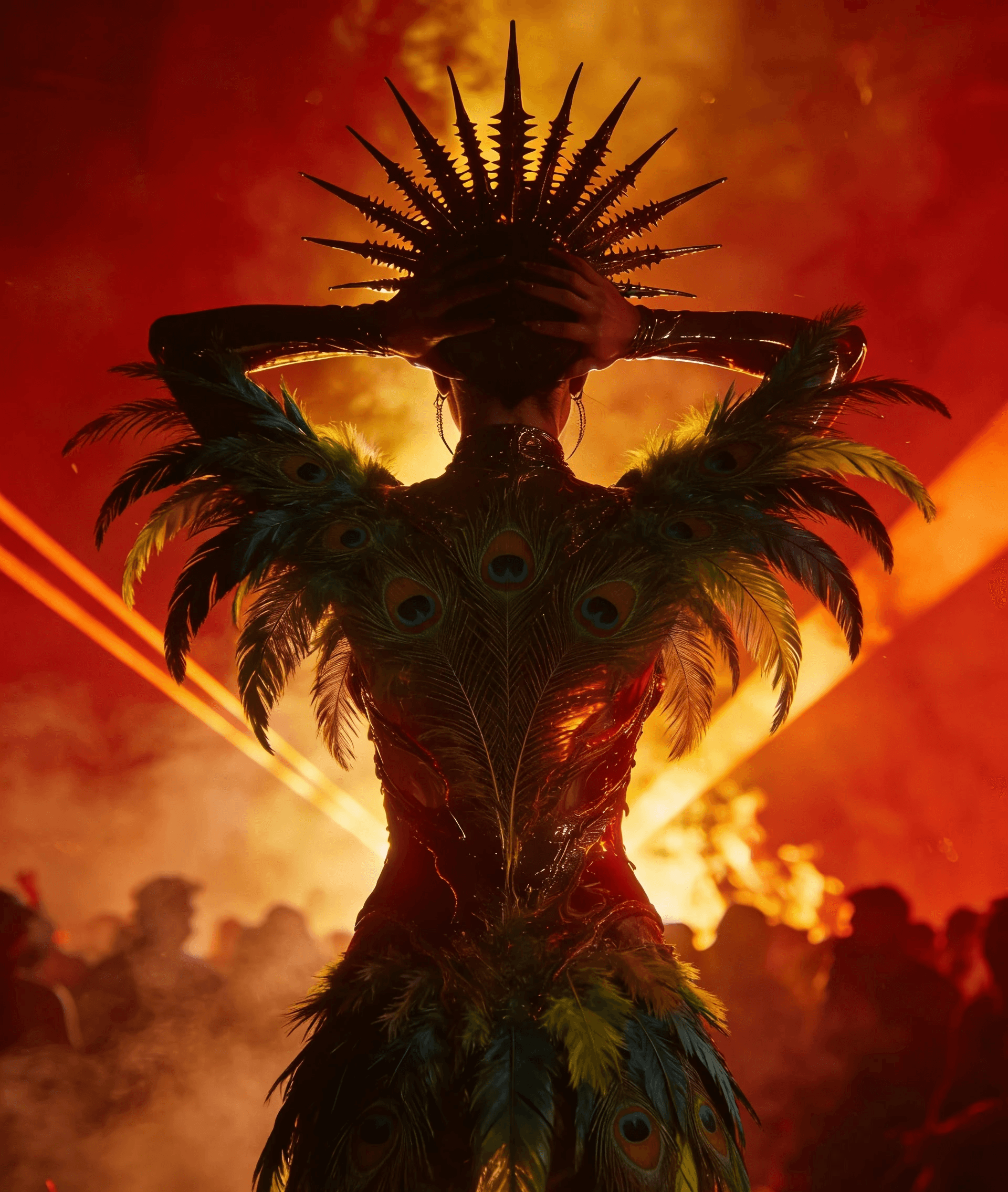
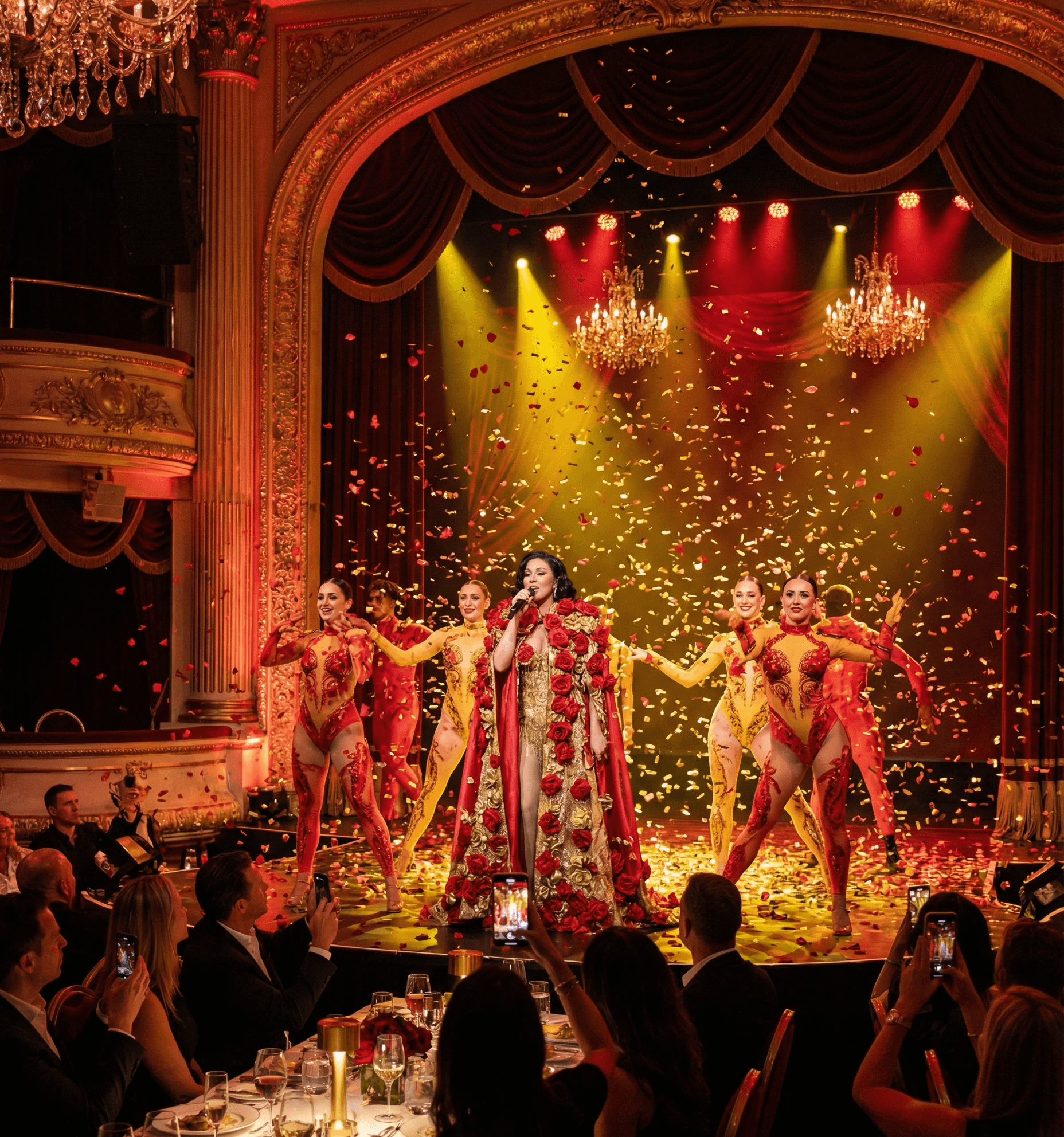
In major hospitality cities like Dubai, Ibiza, Mykonos, and Tulum, a powerful hybrid model is redefining premium venues: the high-end dinner restaurant that seamlessly transforms into a late-night mini club. This isn’t about turning up the music randomly. It’s about structured energy evolution, spatial reconfiguration, lighting psychology, and revenue optimization. At ELVN, we see this model as one of the most intelligent concept strategies in modern hospitality.
Why the Hybrid Model Works
Luxury dining has natural limitations:
• Peak revenue window: 8 PM – 11 PM
• Table turnover caps
• Guests leave after dessert
But when a venue transitions into a high-energy environment after 11:30 PM, the business unlocks:
• Extended operating hours
• Increased bottle sales
• Higher-margin alcohol revenue
• Repeat visits from nightlife-driven guests
Instead of competing with clubs, the restaurant becomes one.
The Key: Gradual Energy Escalation
The transition must feel intentional not abrupt.
The most successful high-end venues use a 3-phase shift:
Phase 1 – Elevated Dining Atmosphere
Ambient music, elegant lighting, controlled service pacing.
Phase 2 – Tempo Lift
Music BPM increases slightly. Lighting warms. Staff energy rises. Performers may subtly enter the space.
Phase 3 – Full Transformation
Lights dim strategically. DJ takes center presence. Tables become social hubs. Bottle service choreography activates.
The guest should feel the shift before consciously noticing it.
That emotional anticipation is powerful.
Design & Layout: The Hidden Driver
Not every restaurant can execute this model.
The physical space must allow:
• Flexible seating configurations
• Open central zones
• DJ booth visibility
• Lighting control systems
• Integrated sound design
Venues that fail usually underestimate acoustic planning.
Premium dining sound and nightclub sound are two different worlds.
If engineered properly, the transformation feels cinematic.
If not, it feels chaotic.
Entertainment Integration
This model succeeds when entertainment is woven into the dining experience early.
Examples:
• Live percussionists appearing between courses
• Subtle dancer entrances near the bar
• Branded bottle rituals
• Interactive staff choreography
The goal is to blur the line between dinner and party.
Guests shouldn’t feel like they’re “waiting for the club.”
They should feel like the club was always coming.
Revenue Multiplication Strategy
The financial impact is significant:
Higher spend per table
Bottle upgrades after midnight
VIP demand increases
Stronger brand identity
Social media exposure doubles
A table that spends $800 on dinner may spend an additional $2,000–$5,000 once the energy shifts.
The same square meters generate two business models in one night.
Branding & Positioning
The most successful dinner-to-club venues don’t market themselves as “restaurants with music.”
They position as:
• Lifestyle destinations
• After-dark dining experiences
• Immersive social venues
Language matters.
Perception drives demand.
Common Mistakes
• Turning music up too early
• Poor lighting control
• Lack of show structure
• No VIP flow design
• Staff not trained for nightlife energy
A hybrid venue requires hybrid operations.
Without strategic planning, it damages both dining credibility and nightlife potential.
The ELVN Perspective
At ELVN, we approach high-end dinner transformations as:
• Concept engineering
• Revenue architecture
• Energy choreography
• Spatial optimization
• Brand elevation strategy
Because the future of hospitality is not choosing between restaurant or club.
It’s mastering both.